Category: News

  • Five Things to Know About Google’s Pixel 11

    Google’s Pixel 11 family brings a new generation of Pixel phones built around Google’s latest AI features, camera capabilities and hardware.

    Google’s Pixel 11 generation is here, giving the company another chance to connect its smartphone hardware with Gemini-powered software.

    The current Pixel family includes the Pixel 11, Pixel 11 Pro, Pixel 11 Pro Fold and related models in Google’s broader lineup.

    Here are five things worth knowing.

    01 — AI is central to the experience

    Google is positioning the Pixel 11 family around Gemini and what it calls more proactive assistance.

    The interesting part isn’t simply having an AI assistant on a phone. Google is increasingly trying to make AI features part of everyday actions such as writing, voice interaction, photo editing and organisation.

    Whether that makes a meaningful difference depends on which features you actually use.

    02 — Camera processing remains a major focus

    Pixel phones have historically relied heavily on computational photography, and the Pixel 11 generation continues that direction with new camera hardware and software tools.

    Google highlights new image sensors and additional camera capabilities alongside its AI features.

    That combination is important because the phone isn’t just capturing an image. Much of the final result is produced through processing.

    03 — There is more than one Pixel 11

    The range is no longer a single flagship model.

    Google’s lineup includes standard, Pro and foldable options, allowing the company to target different form factors and price points.

    That also means comparisons are becoming more important than simply asking whether the “Pixel 11” is good.

    04 — Software is part of the product

    Pixel phones are effectively Google’s showcase for Android and its own AI features.

    That gives the company more control over how hardware and software work together than many Android manufacturers have.

    05 — The interesting question isn’t the specification sheet

    A modern flagship can have an impressive list of cameras, processors and AI features.

    The better question is which of those improvements actually change daily use.

    That’s something we’ll test rather than assume.
  • What Actually Changed in the Latest Android Update?

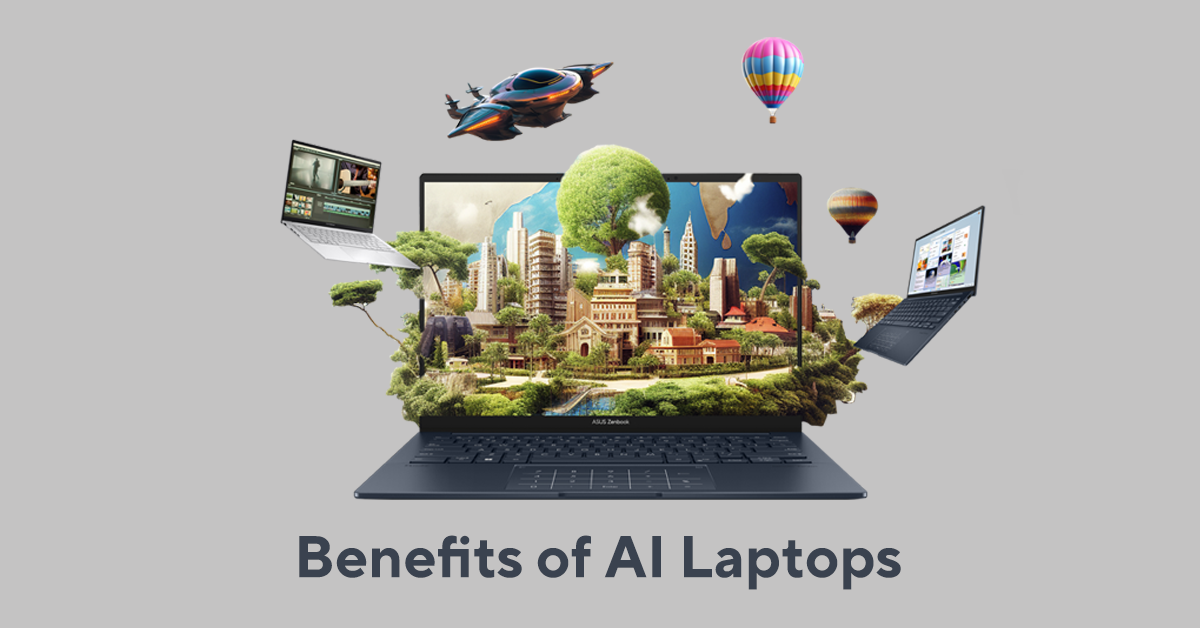
    AI laptops have been one of the industry’s favourite phrases for the past few years. But underneath the branding is a genuine hardware change: modern PCs increasingly include dedicated hardware designed to handle AI workloads.

    A typical AI PC combines a CPU, GPU and neural processing unit, or NPU. The NPU is designed for certain AI calculations while using relatively little power. That makes it useful for workloads that can run locally instead of always being sent to a cloud service.

    The practical difference depends heavily on the software.

    An NPU doesn’t automatically make every application faster. Its value appears when Windows and individual applications are designed to use it. Tasks such as certain image effects, transcription, background processing and other AI-assisted features can potentially run more efficiently on the device.

    That creates another interesting advantage: not every AI task needs to leave the computer.

    Local processing can reduce the amount of data that has to travel to a server, although privacy and security still depend on how the particular application is designed.

    What actually changed?

    The important change is not simply that a laptop now has “AI” in its specifications. Dedicated AI hardware creates another processing option alongside the CPU and GPU.

    Intel describes an AI PC as a system combining a CPU, GPU and NPU for local AI workloads.

    That doesn’t mean every AI laptop will deliver the same experience. The software, processor, memory, application support and workload all matter.

    The bigger question

    The real test for AI laptops is whether people actually notice the difference.

    If useful AI features become common and run efficiently on the device, the NPU could become as unremarkable as a GPU is today.

    For now, the interesting part is that the hardware is ready. The software still has to prove why we need it.

  • Why AI Laptops Are Becoming More Interesting

    Why AI Laptops Are Becoming More Interesting

    AI-powered laptops are moving beyond simple marketing claims, with newer chips bringing local AI processing to everyday tasks.

    AI laptops are becoming a more interesting category as manufacturers move more AI processing directly onto the device.

    Instead of sending every task to the cloud, newer computers can handle certain AI workloads locally. That can improve privacy, responsiveness and offline functionality.

    The bigger question is whether these features actually matter in everyday use. For most people, the answer will depend on which applications they use and how much local AI processing they need.

    Other options to go for.

  • Hello world!

    Welcome to WordPress. This is your first post. Edit or delete it, then start writing!